
Ofonime Eset
Co-founder and CTO. MSc Artificial Intelligence, Manchester Metropolitan University. Co-inventor on the patent. Leads platform architecture and AI model development.
I make expensive lab imaging run on cheap hardware.
Founder and CEO of FertilyAI. Our AI grades real patient embryos at three hospitals in Abuja today, on the microscopes they already owned.
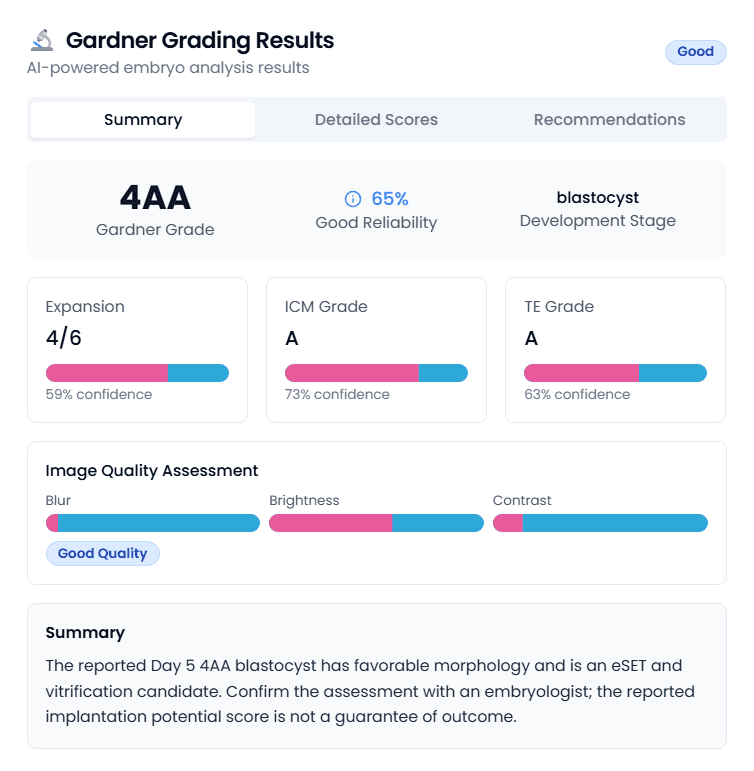
Embryo grading is live at three hospitals in Abuja, on real patient embryos. Each one paid to validate it.
Live
Live
Live
FertilAid Clinic
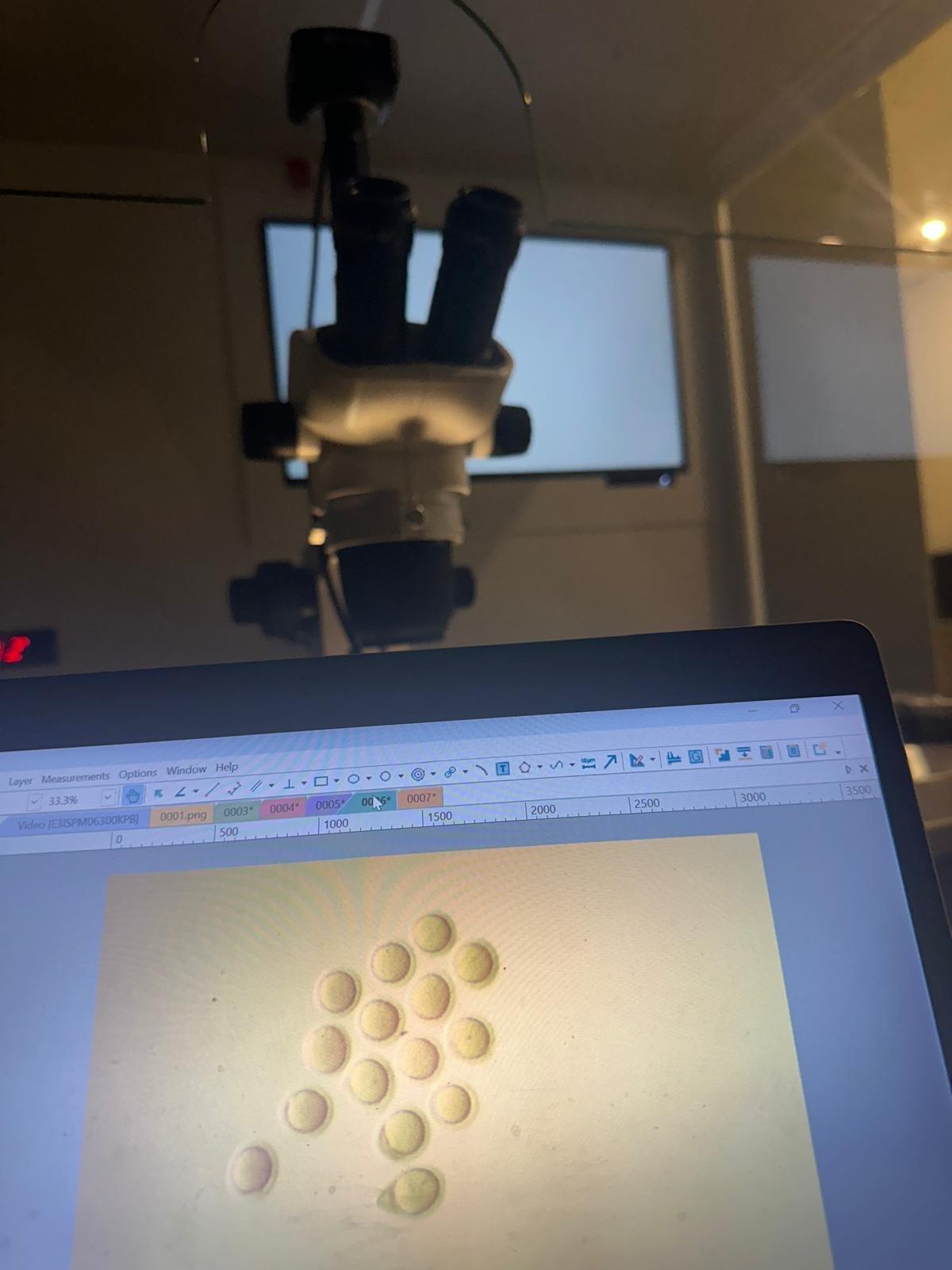
It is delivered through our SDK and runs on the trinocular microscope already on the bench. No new hardware.
Combined accuracy 81.5%. Developmental stage prediction 82.1%.
[Add: how many embryos, and what the grades were compared against]
When the model is unsure, it says so. Low-confidence cases go to the embryologist for manual review. Every output is advisory and the clinician keeps full authority.
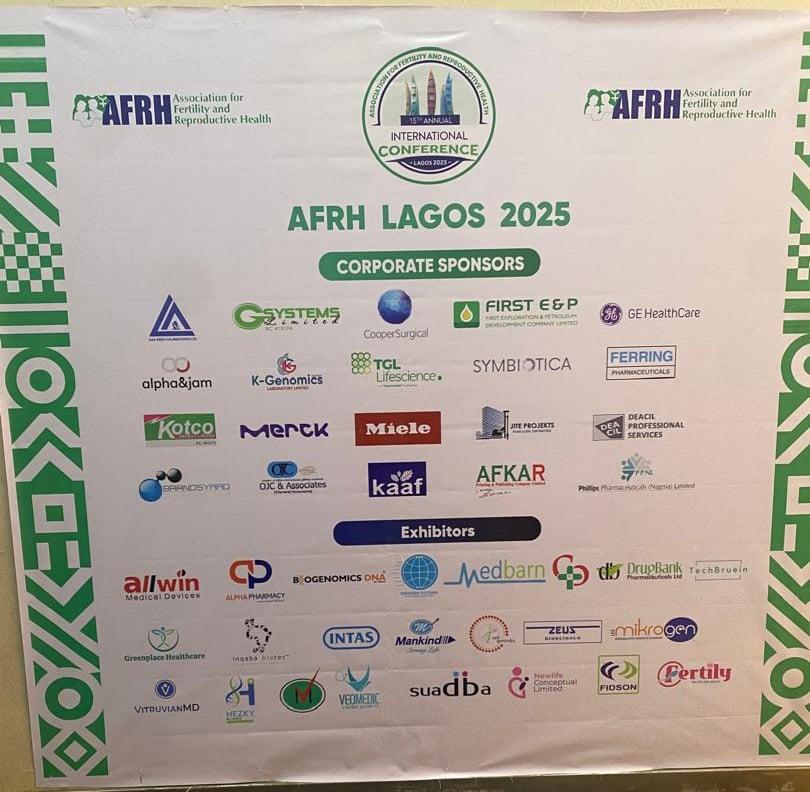
We exhibited at the 2025 AFRH conference, the largest IVF conference in Sub-Saharan Africa.
Another 24 hospitals from that conference have asked to validate on the same basis. We have no sales team.
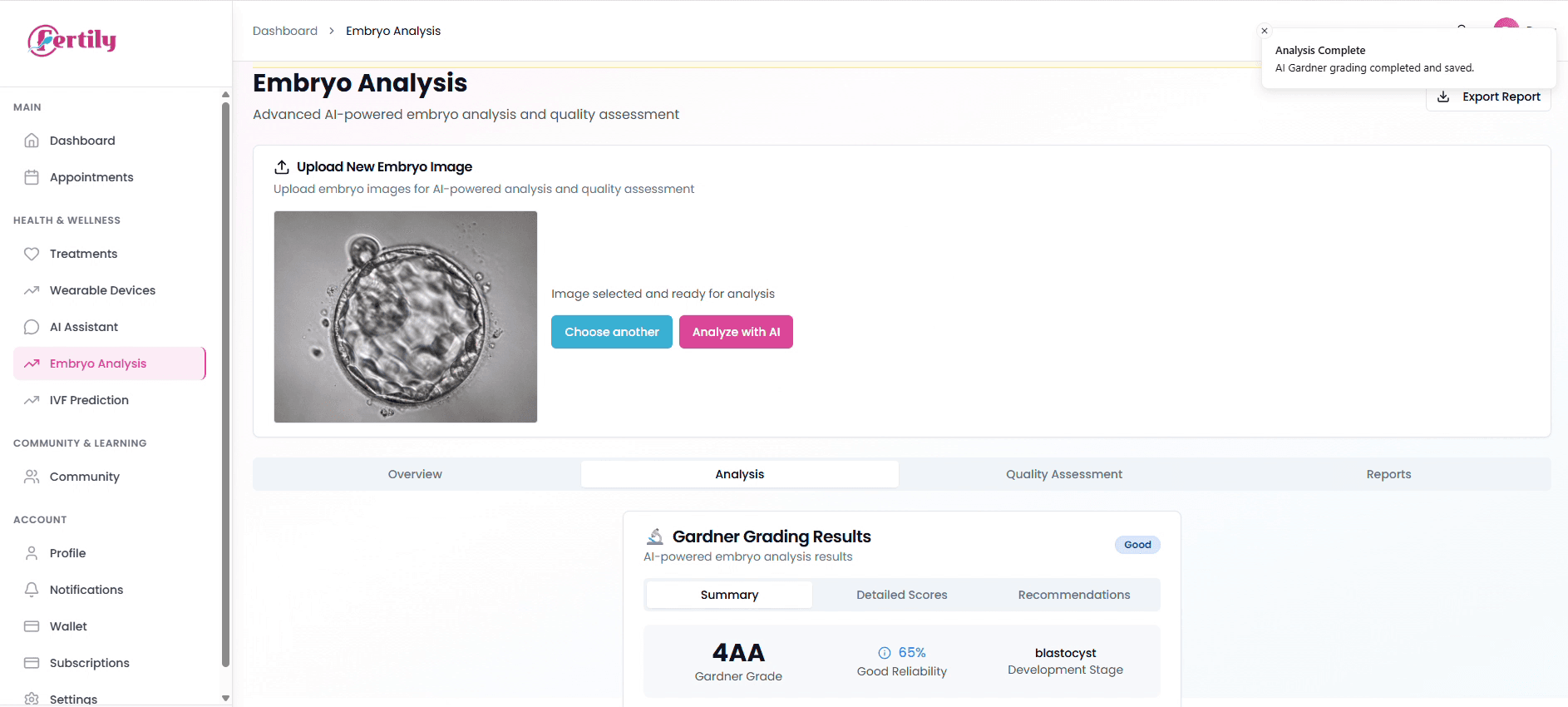
IVF success prediction, a clinical assistant and cycle tracking are also live at fertilyapp.com. Grading is the one clinicians actually use, which is why it leads.
I have spent my working life getting instruments to behave in places that were not built for them.
From 2018 to 2021 I ran IT inside a hospital in Abuja. I know how Nigerian clinical systems behave when the people using them are busy, and I know who signs for software there.
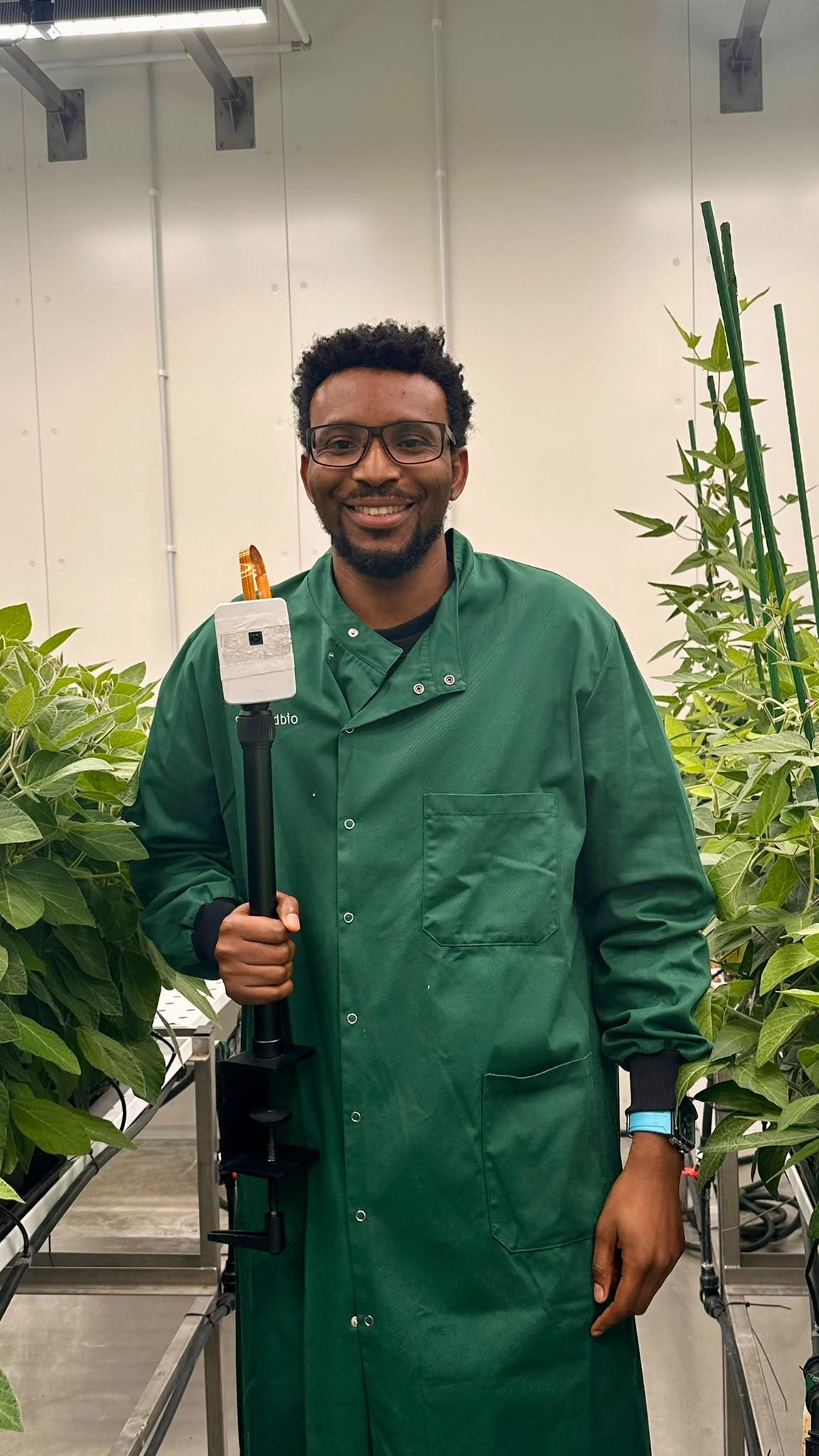
Today I coordinate controlled environment crop facilities at an Oxford University plant sciences spinout. The work is imaging living things on a schedule, under logged conditions, and turning the pictures into numbers people can trust. I have built that kind of system on a Raspberry Pi and left it running unattended.
Embryo grading is the same class of problem with higher stakes: a living specimen, a controlled environment, a camera, and a number a clinician has to trust. I specified the imaging and environmental control in our patent.
I build for the people the expensive version was never made for.
The systems that image embryos continuously inside the incubator cost USD 75,000 to 200,000 a unit.
The clinics making the hardest grading calls are the ones least able to buy them.
We hold a granted Nigerian patent on a low-cost alternative: imaging inside the incubator, environmental sensing used as model input rather than logged metadata, and inference on the device with no network required.

Incubator culture environment
Camera + optics
Embryo — never leaves the incubator
image + sensor inputs
Edge inference
On the device
Raspberry Pi 5 + AI HAT+
or NVIDIA Jetson AGX Orin
No network required
Grade
+ confidence
Low certainty flagged for manual review
A prototype is in build on a Raspberry Pi 5 with an AI HAT+, with parts 3D-printed in Nigeria. The patent also specifies a higher-power configuration on an NVIDIA Jetson AGX Orin. Target hardware cost is under 10% of a commercial time-lapse incubator.
No unit is in a clinic yet.
An electronic health record for fertility clinics with grading built in, and a patient app that talks to the clinic dashboard. About 80% built, not launched.
Gymmie, an AI personal trainer (gymmie.co.uk), and client software through Stargit Solutions, the studio I co-founded in 2023. FertilyAI was built inside it.
Builds it
Co-founder and CTO. MSc Artificial Intelligence, Manchester Metropolitan University. Co-inventor on the patent. Leads platform architecture and AI model development.
Validates it
Clinical Validation Lead. Senior Embryologist at Guy’s and St Thomas’ NHS Foundation Trust, London. Named in the patent specification. Sets the grading standard our model is measured against.
Behind them, a team across engineering, data science, clinical, compliance and operations.